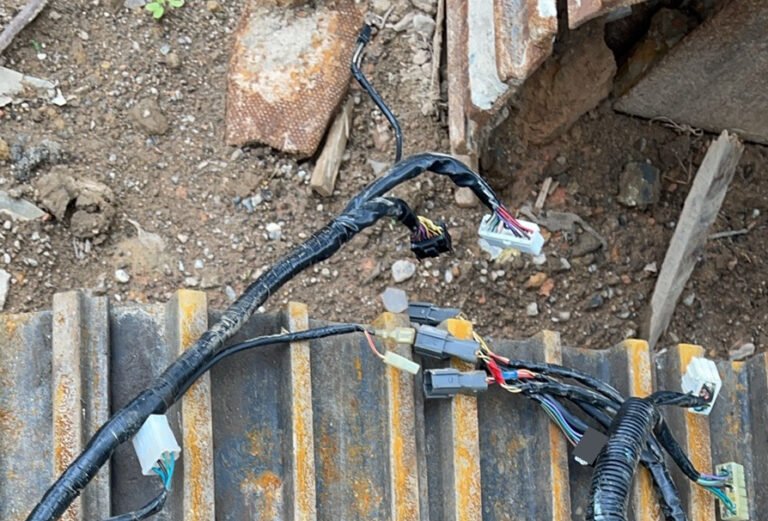
Routes and branches
A wiring harness is more than a collection of plugs.
Follow the visible runs, keep overlaps unresolved and give each selected detail its place in the wider view.
Read the harness layout recordThe working context
Real mechanical settings bring a wider perspective to the components, equipment and everyday questions behind the parts business.
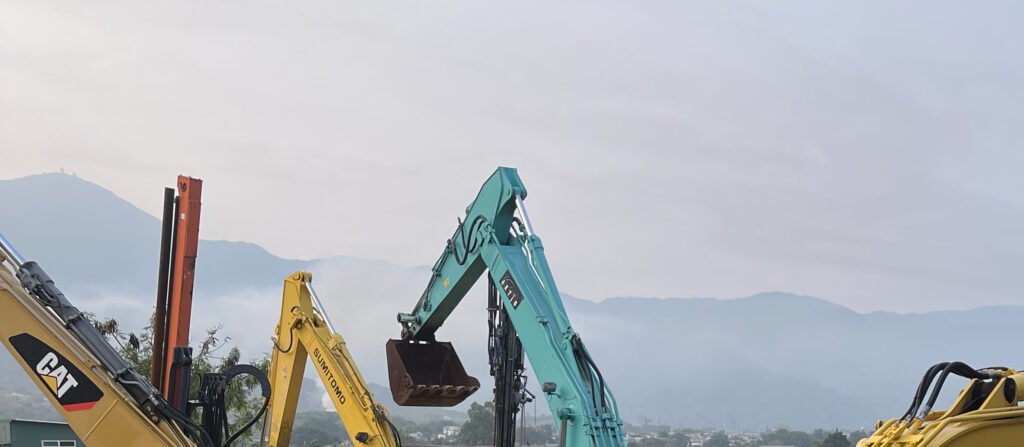
A wide view locates the subject. A closer view describes a feature. These independent records help keep those jobs separate, so a parts conversation starts with what the photographs actually show.
Routes and branches
Follow the visible runs, keep overlaps unresolved and give each selected detail its place in the wider view.
Read the harness layout record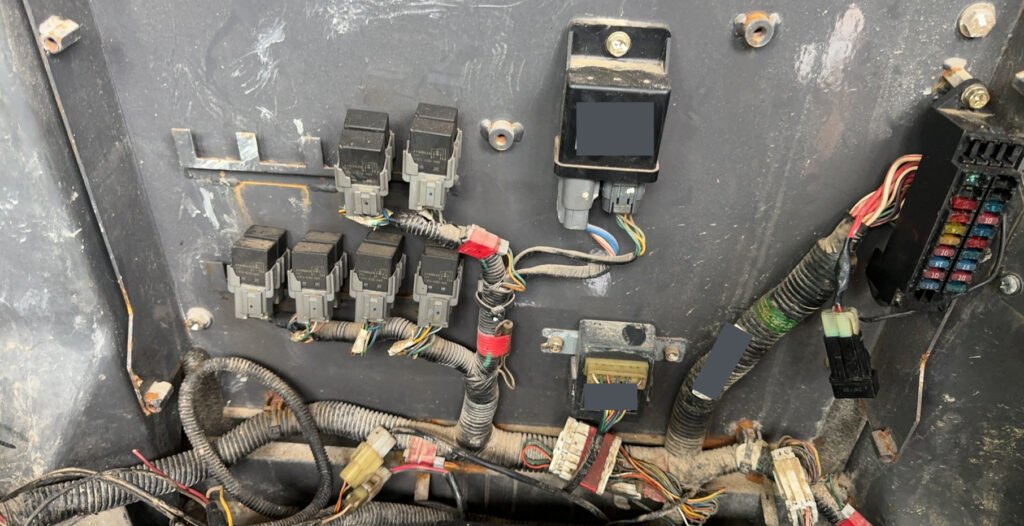
Position and surroundings
Brackets, bases and nearby housings can locate an item without proving its electrical function.
Read the relay panel record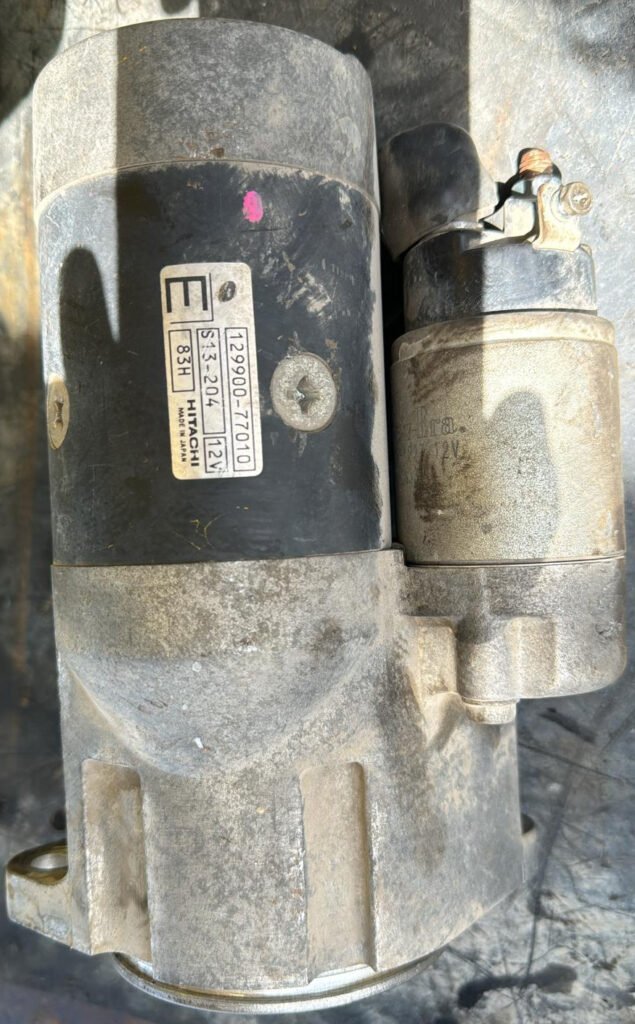
The electrical specialist perspective
Keep each starter’s readable label with the body carrying it. Two separate examples show why uncertain characters must stay uncertain.
Explore the starter label articleThese two additional photographs are independent records. They are not linked to the harness, relay panel, starter or outdoor scene above, and they do not form one installation or repair sequence.
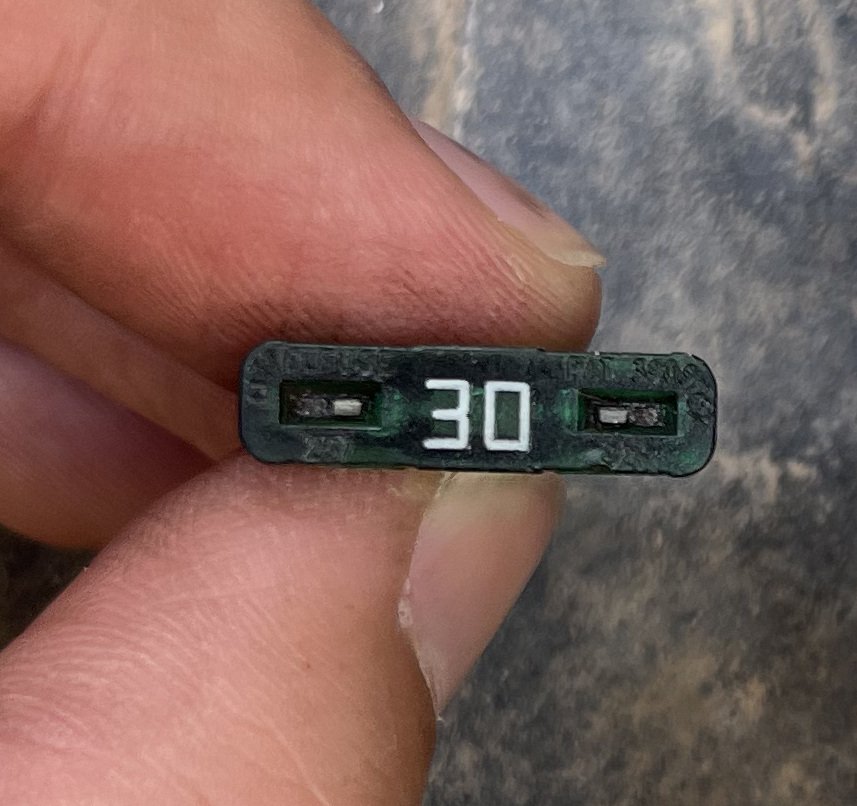
Record the visible "30" exactly as shown, then photograph the fuse from another angle so the body and connection features can be described clearly. Keep these views together only when they are confirmed to show the same item.
If a parts enquiry needs dimensions or other specifications, provide a separate, clearly identified record. Do not use fingers, background objects, colour or matching characters to fill gaps in the information.
No. It records a visible marking on this face. Complete product identification requires separately verified information.
No. Matching characters or colour alone do not establish circuit assignment or machine fitment.
It does not establish condition or performance. An exterior photograph is not a test result.
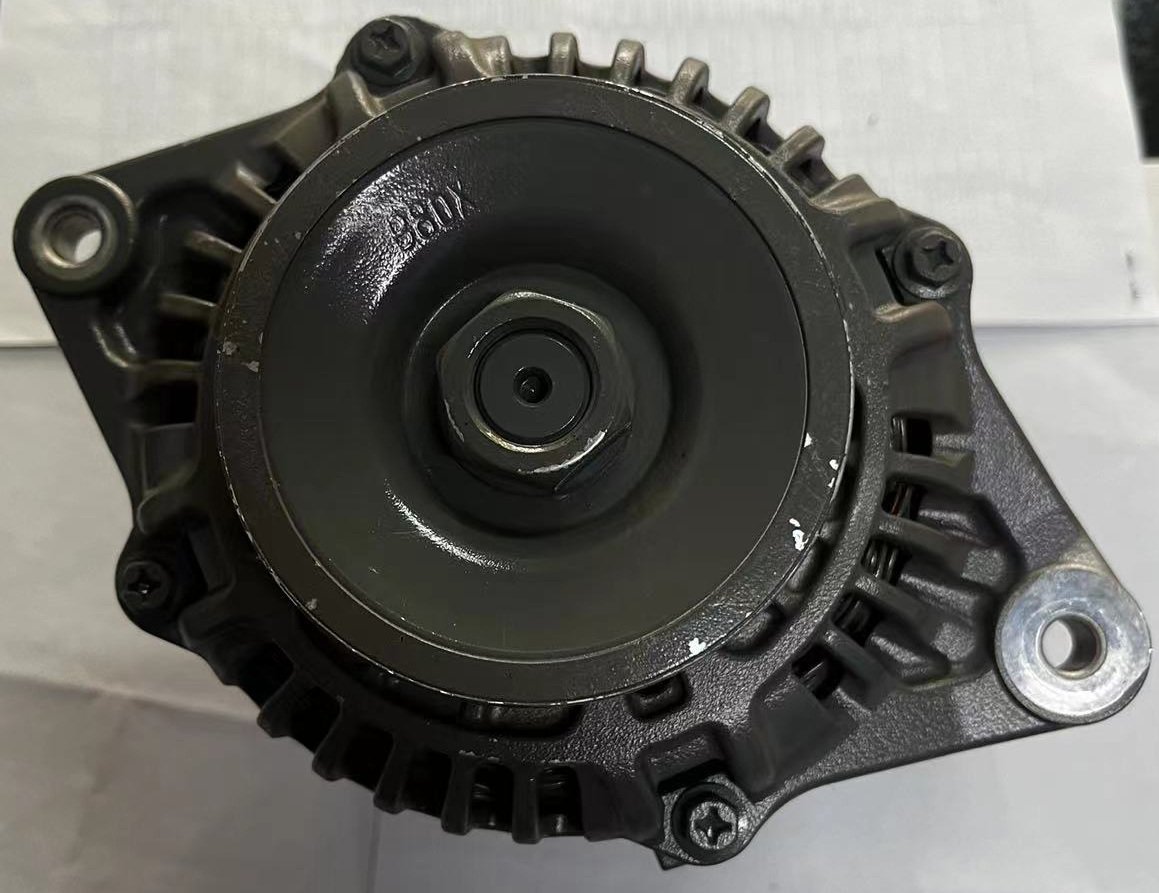
Keep the housing in view when describing the pulley, central fastener, openings or mounting ears. A close-up becomes more useful when the reader can locate the feature within the assembly, rather than guess what "the front" means.
For an enquiry, identify which details this angle leaves unresolved and request the relevant side, rear or measurement view. Confirm that any additional photographs show the same unit before treating them as one product record.
The visible pulley face, central fastener, housing openings and projecting mounting ears. These are descriptive reference points, not measured specifications.
No. It is one view of one item. Identification and compatibility require separately verified information; no replacement relationship is established here.
Choose views that help another person locate the subject and understand which detail you mean. There is no need to invent a complete story from a single angle.
Independent photographs are not a shared repair sequence. Photographs alone do not establish compatibility, circuit function or performance.